Closing the carbon budget: understanding carbon flows and transitions in an Ohio coastal wetland
Gil Bohrer
Professor · Department of Civil, Environmental and Geodetic Engineering
Ohio State University
Speaker website- Date
- Friday, November 20, 2026
- Time
- 1pm – 2pm (EDT)
- Location
- Flanagan 265
- Format
- Hybrid
Abstract
Wetlands are among the most productive and biodiverse ecosystems in the world. Ohio made a large investment in wetlands by the H2Ohio program to improve water quality. Wetlands are also extremely important to the global carbon budget, as they are responsible for a very large fraction of the global methane emissions and for storing a large fraction of terrestrially sequestered CO2. Wetlands are intrinsically heterogenous. This heterogeneity in hydrological dynamics and vegetation structure within wetlands leads to extreme within-site variability of CO2 uptake and methane emission rates. My group have been working in a lake-coastal wetland, at an estuary of Lake Erie in Ohio, Old Woman Creek (OWC), which has one of the highest methane fluxes ever observed. We combined multiple types of measurements and multiple scales to quantify the differences in carbon processing between patch types within the wetland. We incorporated our insight from the field, including a decade of EC flux measurements and extensive chamber measurements, into an advanced version of the Department of Energy Earth System model (E3SM-ELM) and that allowed large improvement the model’s predictions of carbon emissions. However, even this advanced model could not replicate the high methane emissions. The problem is that the current modeling approach only considers vertical (water-atmosphere) carbon exchange, while OWC's location at the estuary of a river draining an agricultural watershed makes the lateral flow rich with carbon and nutrients. We provide some of the first estimates of full carbon budget of a natural wetland and show the importance of lateral flow sfor the overall carbon processing in a wetland.
About the speaker
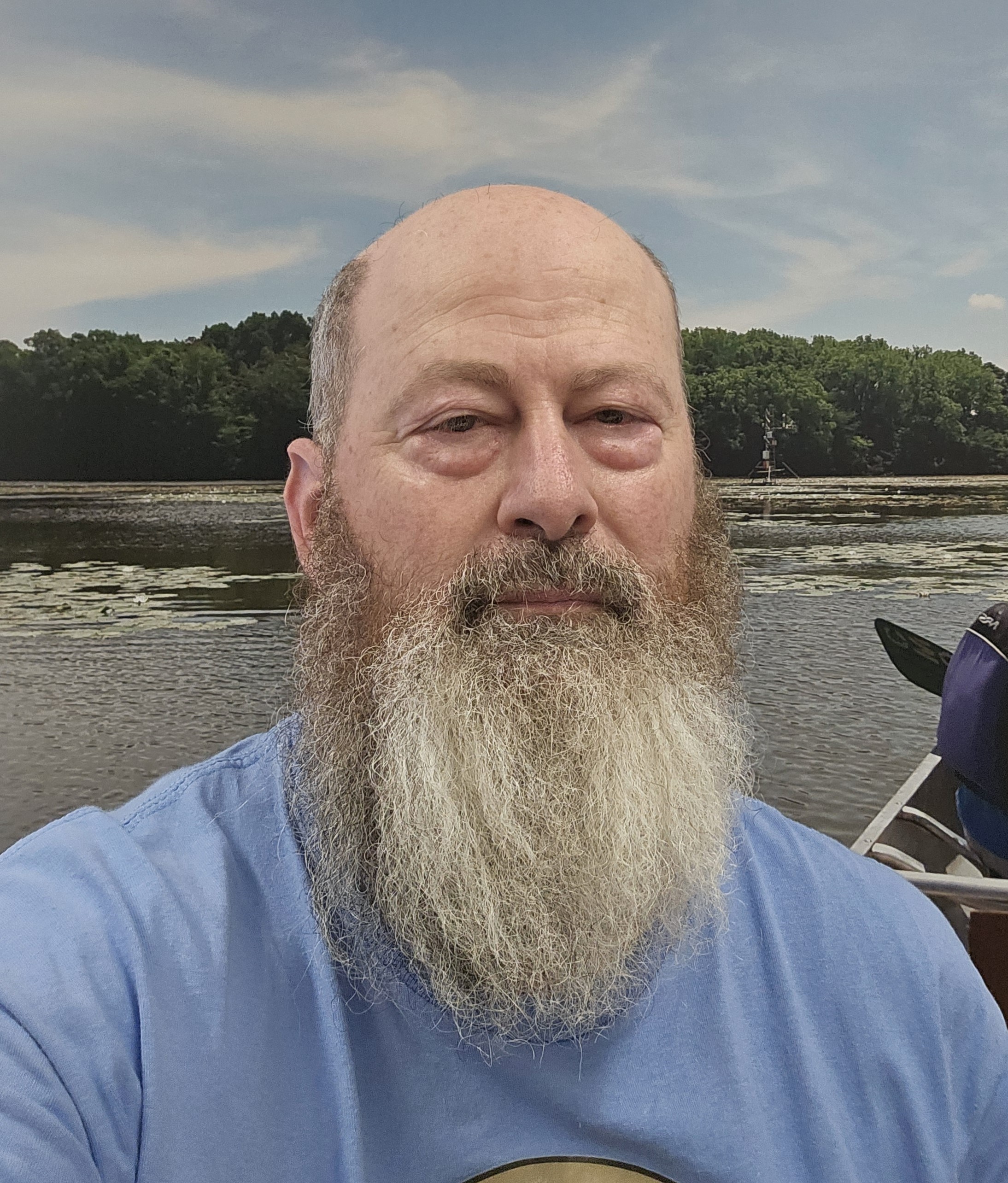
Bohrer received a PhD in Civil and Environmental Engineering from Duke University. He was postdoctoral fellow at the Harvard University Center for the Environment, before joining OSU at 2009. He is an Editor for Journal of Geophysical Research: Biogeosciences. His research uses observations and modeling to bridge the physical scale gap between regional, atmospheric processes and individual plant-scale function and structure.