Coastal Communities and Social-Ecological Resilience in Puerto Rico: Linking Fisheries, Local Knowledge, and Coastal Adaptation
Emmanuel Maldonado-Gonzalez
PhD Student Integrated Coastal Science · East Carolina University; The Coastal Society
- Date
- Friday, October 16, 2026
- Time
- 1pm – 2pm (EDT)
- Location
- Flanagan 265
- Format
- Hybrid
Abstract
Puerto Rico’s coastal communities face multiple, interconnected pressures, including climate change, coastal development, shifting fisheries, extreme events, ecosystem degradation, and emerging environmental challenges. Understanding coastal resilience therefore requires attention not only to ecological conditions and physical infrastructure but also to the livelihoods, knowledge, relationships, and adaptive capacities of the people who depend on coastal and marine environments. This work draws on interdisciplinary research and community-engaged projects conducted across Puerto Rico to examine resilience through the experiences of fishers and coastal communities. It brings together research on small-scale fisheries and seafood systems, community-based aquaculture, local ecological knowledge, ecosystem-based adaptation, and community responses to coastal environmental change. Attention is given to how fishers and other coastal stakeholders perceive environmental change, adapt their livelihoods and practices, and contribute knowledge that can inform coastal management and resilience planning. Drawing lessons from these projects, the presentation highlights the importance of linking ecological science with the social dimensions of resilience. It examines how place attachment, community knowledge, participation, access to marine resources, and relationships with institutions can shape both vulnerability and the capacity to respond to change. Emerging challenges, such as Sargassum inundation, are discussed within this broader landscape of interacting coastal pressures. Together, these experiences demonstrate the value of community-engaged and interdisciplinary approaches that recognize coastal residents not only as populations affected by environmental change but also as knowledge holders and active participants in developing more equitable and locally grounded pathways for coastal resilience.
About the speaker
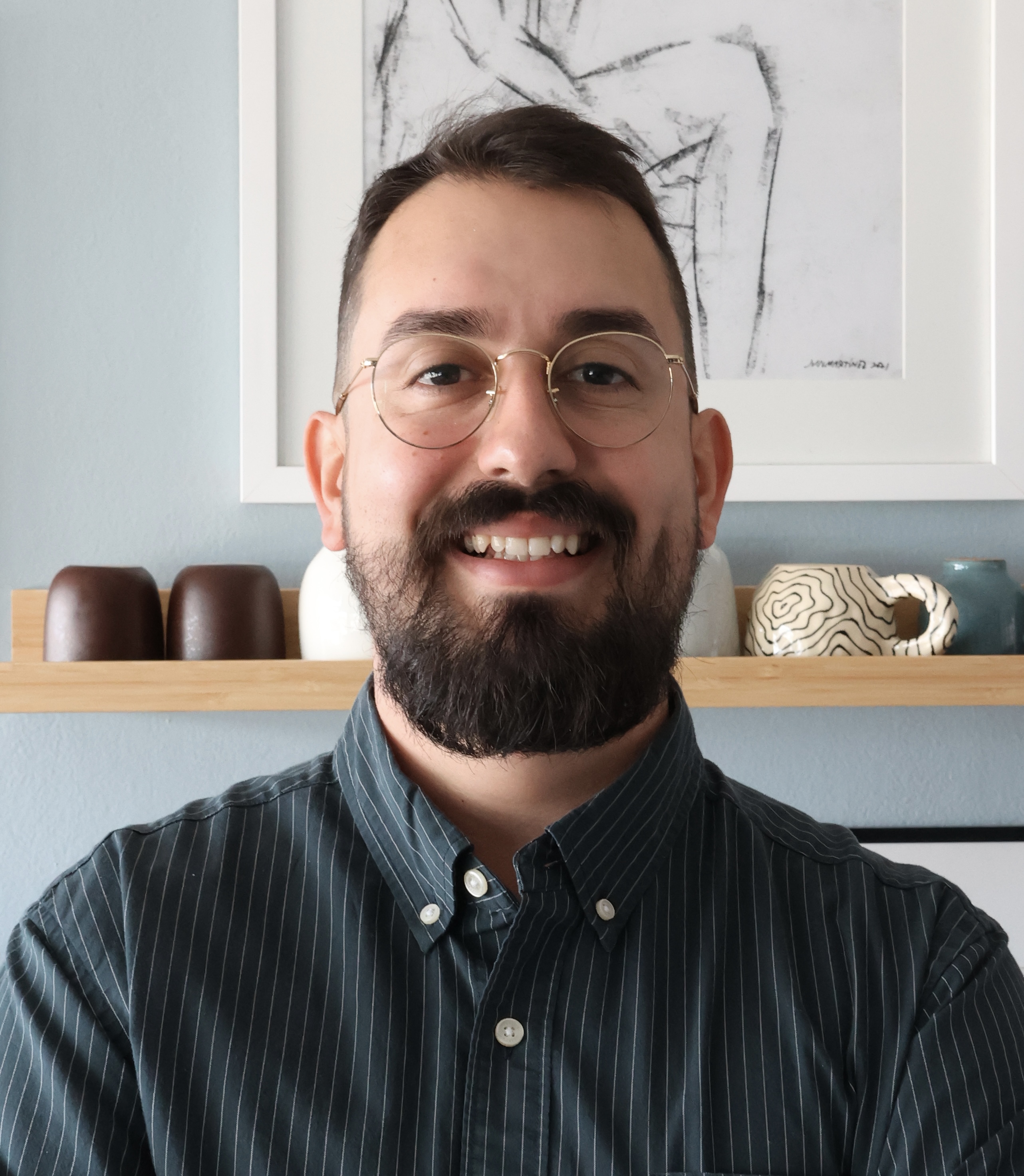
Environmental sociologist focused on coastal communities, fisheries, and social-ecological resilience. His work spans Puerto Rico and the Caribbean, with research on coastal livelihoods, local ecological knowledge, Sargassum impacts, aquaculture, and shark depredation.